
How Does Botulinum Toxin Reduce Wrinkles? - Explained by Dr. Yeung Ho Hong (楊浩康)
https://www.pexels.com/photo/botox-injection-treatment-7582568/
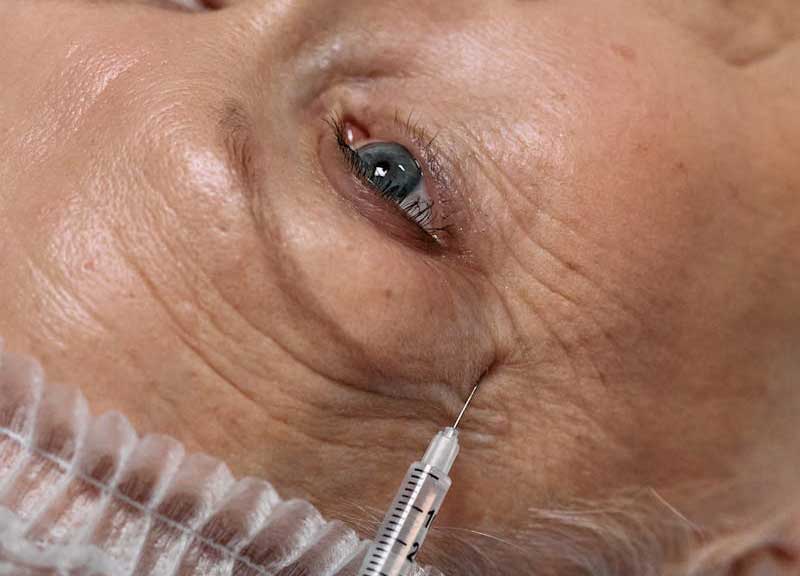
Botulinum toxin (肉毒桿菌毒素), often abbreviated as “botox” (肉毒素), is a widely used treatment in the field of medical aesthetics. As the pursuit of a youthful, firm appearance grows, more men and women are opting for botulinum toxin to address wrinkle concerns. However, many remain unfamiliar with this technique. In this article, Dr. Yeung Ho Hong will provide a detailed explanation of how botulinum toxin helps reduce wrinkles, covering its principles, mechanisms, safety, and clinical applications.
Facial expressions, though they appear natural, involve highly complex neuromuscular coordination. When our brain signals an emotion or command, the nervous system transmits this through nerve fibers to the facial muscles, prompting them to contract. Over years of repeated muscle movement, creases form on the skin’s surface—these are known as dynamic wrinkles. For instance, frequent frowning or raising the eyebrows can lead to prominent wrinkles on the forehead or between the brows, all resulting from repeated muscle contractions.
The remarkable effect of botulinum toxin lies in its ability to interfere with nerve signal transmission. When injected into targeted muscles, it binds to receptors at the nerve endings, blocking the release of a key chemical transmitter—acetylcholine. This process interrupts the nerve signals responsible for muscle contraction, temporarily relaxing the affected muscle. When the muscle can no longer contract normally, wrinkles caused by frequent muscle movement diminish or disappear. Notably, doctors precisely control the injection site and dosage to ensure only the intended muscles are relaxed, avoiding interference with other normal facial expressions or functions.
Botulinum toxin is primarily used to improve dynamic wrinkles, such as forehead lines, glabellar lines (between the eyebrows), and crow’s feet, all of which are closely tied to frequent muscle contractions. In contrast, “static wrinkles,” which are mainly caused by skin aging and collagen loss, show limited improvement with botulinum toxin alone. Beyond wrinkles, this technique is also successfully applied to treat hyperhidrosis (excessive sweating). When injected into areas like the armpits, palms, or soles, it effectively suppresses sweat gland activity, alleviating excessive sweating.
In terms of safety, botulinum toxin is considered a relatively safe treatment when administered by a qualified physician. Common side effects are limited to temporary redness, mild pain, or bruising at the injection site, which typically resolve within a few days. To achieve optimal cosmetic results, the wrinkle-reducing effects usually become noticeable one to two weeks post-injection and can last for three to six months. Since the effects are not permanent, patients seeking to maintain a youthful appearance long-term may need periodic follow-up injections. Prior to treatment, doctors conduct a thorough assessment of the patient’s facial structure, skin condition, and overall health to devise a personalized treatment plan, ensuring both efficacy and minimal risk.
To summarize, Botulinum toxin reduces dynamic wrinkles caused by muscle contraction by inhibiting nerve signaling and keeping the target muscles in a prolonged state of relaxation. Choosing a professional doctor with rich clinical experience and an accredited medical institution is the key to ensuring the effectiveness and safety of the treatment. With the continuous advancement of technology and the accumulation of clinical experience, it is expected that the application of Botulinum toxin in aesthetic medicine will be further enhanced in the future to satisfy the needs of more beauty-seeking and younger patients. Botox offers a scientific, safe and effective non-surgical treatment option for those who wish to improve facial contours and minimize the signs of ageing.