
What are warts(疣)? - Explained by Dr. Yeung Ho Hong(楊浩康)
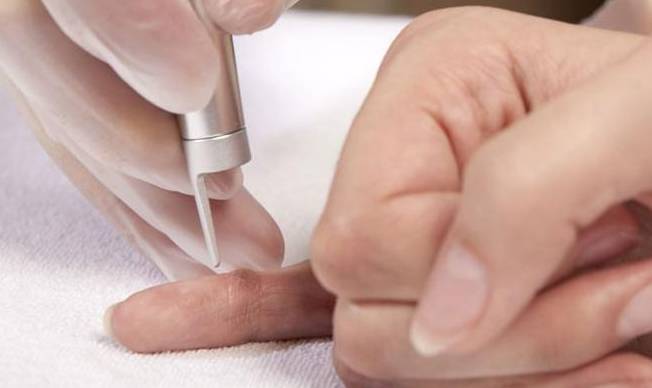
Many patients, whether adults or children, may notice small growths on their skin, commonly referred to as warts (疣). Warts are contagious skin conditions caused by infection with the human papillomavirus (HPV). When the virus enters the body through tiny breaks in the skin, it stimulates abnormal skin cell proliferation, leading to the formation of various types of warts. Due to differences in the pathology caused by different HPV strains, warts vary significantly in appearance, size, and location.
Warts are clinically very common and can appear on many parts of the body, such as the hands, face, feet, and even around the genital area. This is because HPV is highly contagious, spreading through direct contact or shared items like towels, or through equipment in crowded public places like the internet. Personal hygiene habits, immune status, and the presence of minor skin injuries are key factors influencing viral invasion and wart formation. Under these conditions, even casual contact can allow the virus to take root and grow in the skin.
Among the various types of warts, common warts (尋常疣) are the most prevalent. Commonwarts typically appear on areas prone to external contact, such as the palms or fingers, with a rough, irregular surface texture and a diameter of about 5 to 10 millimeters. Thesewarts often have a dome-shaped appearance, feel slightly tough to the touch, and larger or repeatedly irritated common warts may cause localized discomfort or pain. Since the hands are frequently active in daily life, commonwarts are easily subjected to repeated irritation, which may lead to further enlargement or fusion with nearby smallerwarts, forming larger affected areas.
In contrast, flat warts (扁平疣) are characterized by their smaller size, smooth surface, and greater numbers. Flatwarts are commonly found on the face, neck, and upper body, with a diameter of about 1 millimeter and a slightly raised appearance. Most flatwarts are light brown or close to the skin tone, but in some patients, uneven pigmentation may make them more noticeable, and they can rapidly spread across the face or other body parts in a short time, negatively impacting the patient’s appearance and confidence.
Additionally, there are other types of warts, such as plantarwarts (足底疣), which mainly appear on the soles of the feet. Due to constant pressure, they often cause pain when walking. The differences in morphology and distribution among variouswarts require precise clinical diagnosis and tailored treatment plans to achieve optimal outcomes.
Treatment options for warts are diverse, including laser therapy, cryotherapy, electrocautery, and topical medications. Among these, carbon dioxide (CO2) laser therapy is widely used due to its high-energy properties. The CO2 laser emits a wavelength of 10,600 nanometers, vaporizing abnormally proliferated skin tissue in a very short time to completely remove the wart. After treatment, the skin typically heals gradually within one to two weeks. However, to minimize adverse reactions during the procedure, doctors will develop personalized treatment plans based on the wart’s location, size, number, and the patient’s specific condition.
Cryotherapy, on the other hand, uses extreme cold to freeze the wart tissue, destroying its cellular structure and causing the abnormal tissue to gradually slough off. This method is simple to perform and highly effective, though it may sometimes cause temporary skin redness or blistering. For sensitive areas like the face, doctors typically opt for gentler approaches to reduce the risk of post-treatment scarring or pigmentation.
After treatment, patients should keep the affected area clean, avoid excessive friction or other external irritation, and follow medical advice for proper care to promote skin healing. Sincewarts are somewhat contagious, during treatment and recovery, patients should take care to avoid sharing towels, clothing, or other personal items with others to prevent viral transmission. Maintaining good personal hygiene and appropriate lifestyle habits are also crucial measures to prevent wart recurrence.
It’s worth noting that warts have a tendency to recur. Even after treatment, some patients may develop newwarts months or years later. This is closely tied to an individual’s immune status and environmental exposure, making regular skin checks and timely interventions particularly important. Especially in people with lower immunity or frequent skin injuries, early detection and treatment of warts can effectively prevent worsening of the condition, reducing its negative impact on daily life and appearance.
In summary, warts as a common skin condition caused by the human papillomavirus, are benign but their high contagiousness and abnormal appearance often affect patients’ daily lives and mental well-being. For different types of warts, doctors provide precise diagnoses and treatment plans tailored to the specific situation, emphasizing the importance of preventive measures. Whether dealing with commonwarts or flat warts, timely treatment and proper care allow most patients to manage the condition and achieve favorable outcomes. Through professional medical guidance, patients can better understand prevention and treatment methods, helping to reduce the risk of wart transmission while regaining a healthy, confident lifestyle.